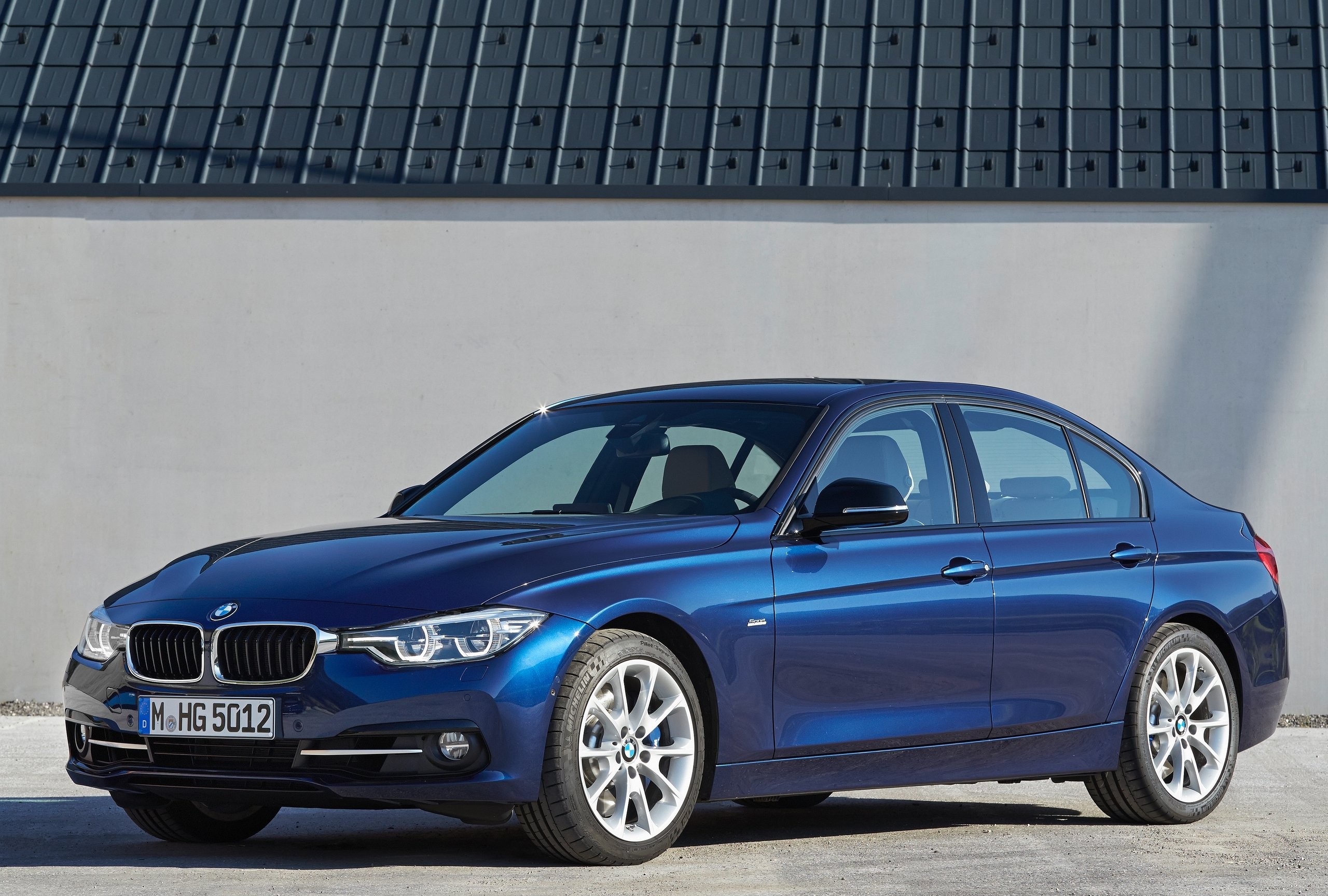
Should I buy a 2012–2015 BMW 3-Series 3.0 Diesel Automatic F30?

Considering a 2012–2015 BMW 3-Series 3.0 Diesel Automatic F30? This guide explains the problems associated with this model and what to examine when viewing one. Condition, maintenance history and previous repairs matter, so judge the exact car on evidence rather than badge appeal.

At a glance

Generation: F30

We have detailed information drawn from more than 2 billion data points and an extensive list of potential faults for this vehicle. Below is a sample of three. Run a bespoke report by entering your vehicle details to see the full list.

This guide explains the model. Your registration tells the real story.

Enter your registration to see the ownership outlook for the exact car you're considering.

Or enter the vehicle manually
2012–2015 BMW 3-Series 3.0 Diesel Automatic F30
2012–2015 BMW 3-Series 3.0 Diesel Automatic F30 buyer guide image.

Common BMW 3-Series (2012–2015) problems

1

EGR cooler leak and intake deposit fire risk

Coolant level dropping, a sweet smell, smoke, drivetrain warning, or in some cases few warning signs before it becomes serious.

2

Timing chain wear and startup rattle

Brief metallic rattle on cold start, rougher idle than usual, or an engine warning if wear has progressed.

3

Glow plugs and control module failure

Lumpy cold starts, extra smoke on startup, or a warning light even though the car drives normally once warm.

BMW 3-Series buying questions

Is a 2012–2015 BMW 3-Series worth buying?

It can be, but only if the individual car backs it up. For the 2012–2015 BMW 3-Series 3.0 Diesel Automatic F30, treat model-level patterns as viewing priorities and let condition, history and inspection evidence decide.

What common problems affect the BMW 3-Series (2012–2015)?

The problem cards above list the model-level checks for this guide. Read them as priorities for inspection and paperwork review, not proof that every example will have those faults.

What should I check before buying a BMW 3-Series?

Look for evidence, not just assurances: MOT advisories, service history, repair invoices, warning lights, fluid leaks, tyre and brake condition, and how the car behaves on a proper test drive. And of course, look at your personalised Should I Buy This Car? report, outlining a full list of common issues in detail, a personalised road test, a plain-English explanation and a MotorIQ score.

A model guide is useful. A report on its registration is better.

The guide above gives you the model-level pattern. A personalised MotorIQ report checks the registration-specific record and turns it into an ownership view before you commit.

Or enter the vehicle manually